Digital Loyalty Cards for Hair Salons With Regulars
A practical look at how hair salons can replace paper stamp cards with wallet-based loyalty, faster check-ins, and better repeat visit tracking.
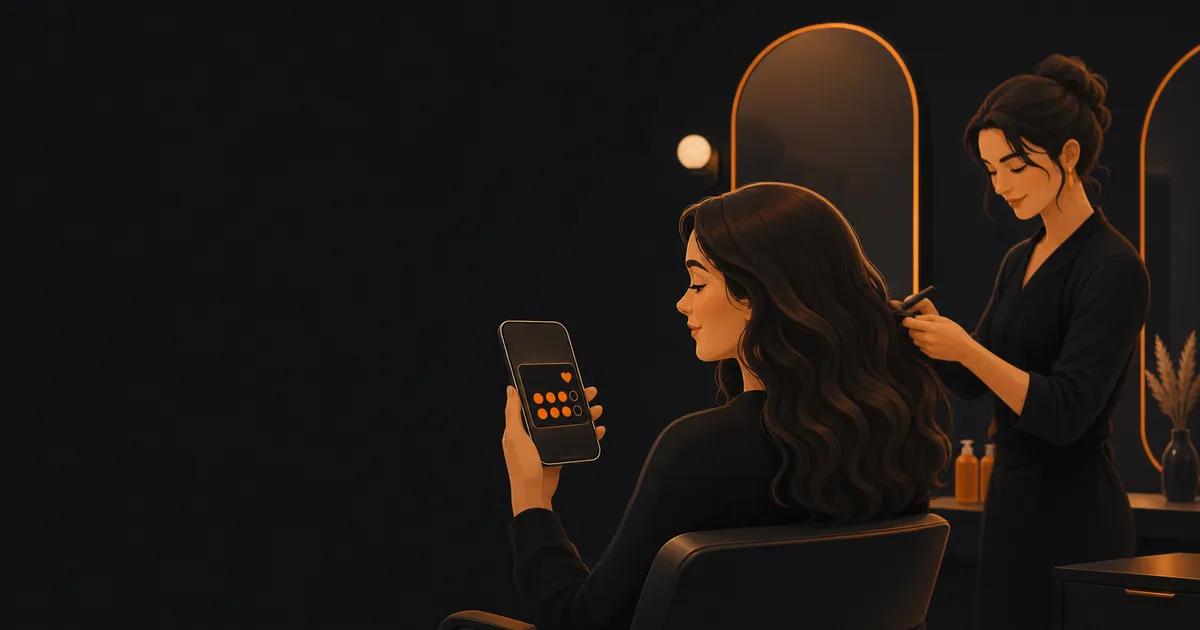
Most salon owners do not struggle to explain why repeat visits matter. The challenge is making loyalty easy enough to fit into a real appointment day. When a client is paying, rebooking, and trying to leave on time, a paper card often gets forgotten.
That is why digital loyalty works well in salons. It fits the rhythm of a business built on regulars, where visits happen every four, six, or eight weeks and every missed return quietly affects revenue.
Why paper loyalty feels awkward in a salon
In a cafe, a stamp card is usually handled in seconds. In a salon, the visit is less frequent and the transaction is more layered. A client may have a cut, toner, treatment, and retail purchase on the same bill. By the time they reach reception, the focus is on payment and the next appointment slot, not on finding a folded card at the bottom of a handbag.
That creates familiar problems:
- Clients forget the card because they only need it every few weeks
- Staff skip the stamp when the desk gets backed up
- Lost cards turn earned progress into a small point of frustration
- Owners cannot see which clients are drifting away until the chair stays empty
None of that means the idea of loyalty is wrong. It usually means the format is too easy to lose and too hard to track.
The best salon loyalty programme is the one your front desk can run without breaking its flow.
Wallet cards fit how salon regulars already behave
A salon regular does not want another app, another password, or another thing to remember before their blow-dry. A wallet-based loyalty card is simpler than that. They join once and keep the card in Apple Wallet or Google Pay, where it sits with the things they already use on their phone.
That changes the experience in a practical way. If a stylist is checking in a client for their monthly colour refresh, the loyalty card is already there. If the client is standing at reception after a Saturday appointment with a child in one hand and their phone in the other, they can still pull up the card in seconds. If they are close to a reward, staff can see that without guessing whether the paper card at home had seven stamps or eight.
For the client, the benefit is convenience. For the salon, the benefit is consistency.
What check-in looks like at the desk
The strongest loyalty systems are not the ones with the most features. They are the ones staff will actually use during a busy day.
During a full Saturday shift
Picture a stylist finishing a cut at 11:50, the next client arriving early, and the receptionist answering the phone while taking payment. In that moment, a paper system depends on memory: remember the card, remember the stamp, remember whether the reward was already used.
With a digital card, the action is short and visible. The client shows their phone, staff scan a QR code, and the visit is added there and then. No drawer full of stampers. No handwritten notes. No awkward line of “we’ll remember it next time.”
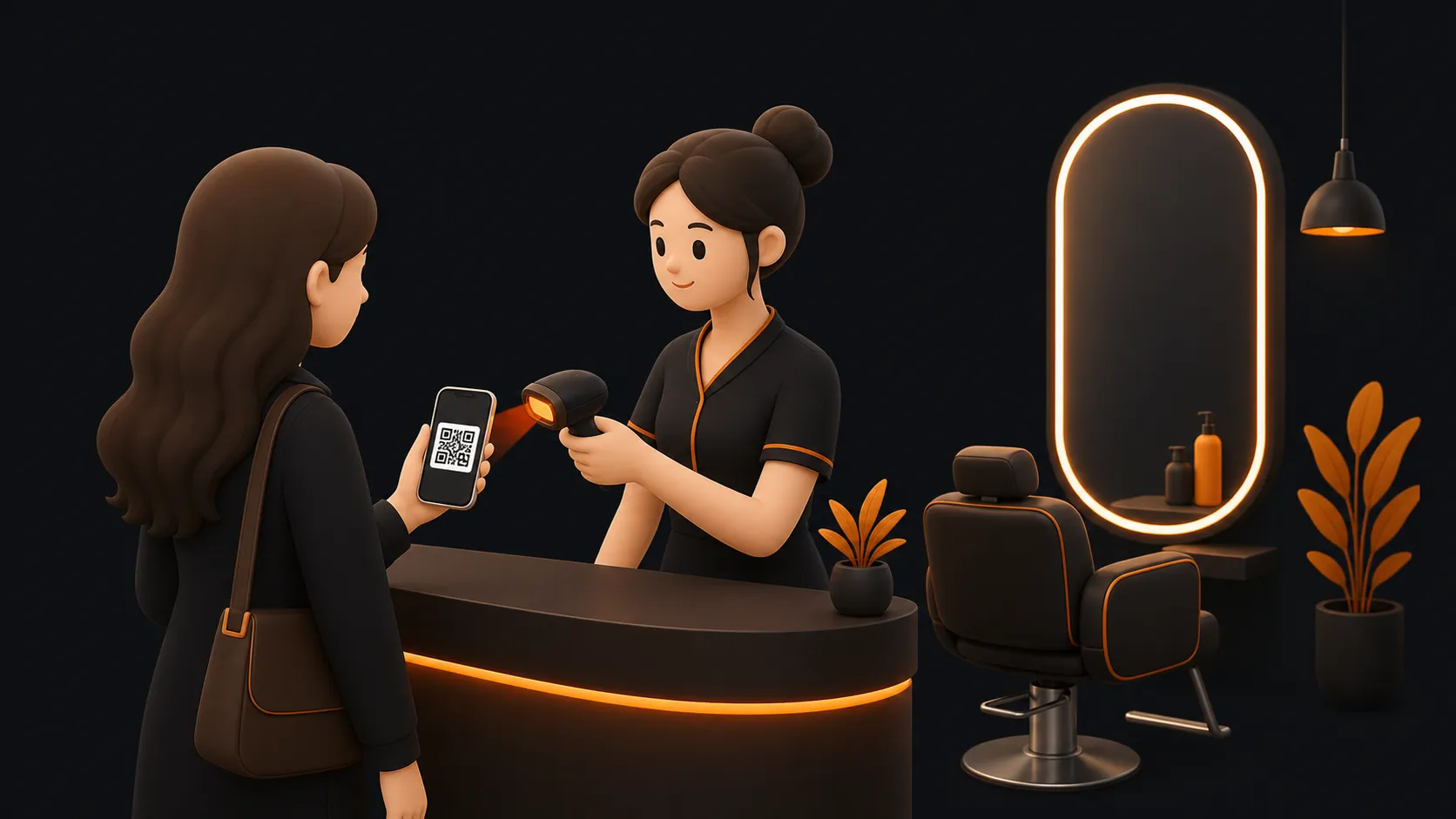
That matters because small delays add up. When loyalty becomes part of the normal payment flow, it stops depending on individual staff habits.
Better follow-up between appointments
Salons live in the space between visits as much as during the visit itself. A client who usually comes every five weeks can easily drift to eight if life gets busy. By then, the lapse has already happened.
Digital loyalty gives owners a clearer picture of that gap. Instead of waiting until someone happens to walk back in, the business can see who has not visited in a while, who is one step away from a reward, and who tends to book only when prompted.
That creates better timing for outreach. Not daily promotions. Not loud discounts. Just relevant reminders tied to real behaviour:
- A nudge when a regular is due for their usual trim
- A message to clients who are one visit away from a reward
- A seasonal offer for colour clients who typically rebook before holidays
This is especially useful for independent salons and small chains, where each empty slot has a noticeable cost. A short message sent at the right time is more useful than a generic social post.
Loyalty should reflect how salons actually sell
Salon loyalty is not always about “buy nine, get one free.” Some businesses want to reward visit frequency. Others want to encourage add-on treatments, product purchases, or slower weekday bookings. A digital setup gives more room to match the offer to how the salon already runs.
A blow-dry bar might reward every sixth visit. A colour specialist may prefer a points-style approach that covers both services and aftercare products. A neighbourhood salon may simply want a clean way to keep regular clients coming back without printing more cards every month.
The important part is not complexity. It is clarity. Staff should know how to explain it in one sentence, and clients should understand the benefit before they leave the chair.
Is a digital card worth it for a small salon?
For most salons with repeat business, yes, because the return is not only about rewards redeemed. It shows up in fewer missed loyalty actions, fewer lost cards, smoother desk handling, and better visibility into who is returning consistently.
That is valuable whether you have three chairs or thirteen. If your business depends on familiar names coming back on a rhythm, then loyalty should support that rhythm instead of interrupting it.
If your salon relies on regulars, loyalty should be as easy to use as the phone already in every client’s hand. Turn repeat visits into loyalty - without adding another app to manage.