Digital Loyalty for Bakeries With Morning Regulars
A practical guide to replacing paper bakery stamp cards with wallet-based loyalty that keeps breakfast regulars returning and queues moving.
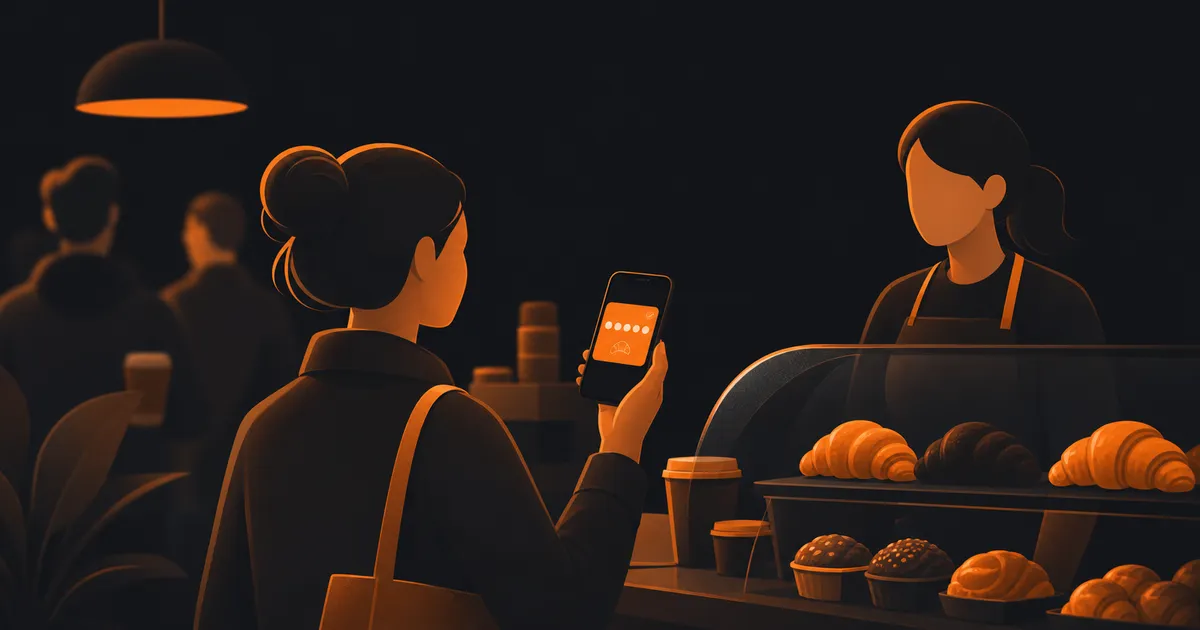
A bakery can build an entire week around familiar faces. The commuter who grabs sourdough on Thursdays. The parent who buys croissants after school drop-off. The office regular who appears every morning at 8:10 and wants the same coffee and almond pastry before the queue gets long.
That kind of business lives on repeat habits, which is exactly why loyalty matters. The problem is that paper stamp cards do not hold up well in a fast-moving bakery where decisions happen in seconds and customers are usually balancing coffee, bags, and time pressure.
Why paper loyalty gets missed at the counter
Paper cards are easy to print, but they are also easy to forget. In a bakery, that matters because the busiest part of the day leaves very little room for extra friction. Customers are choosing quickly, staff are calling out orders, and the person at the till is trying to keep the line moving without feeling rushed.
That leads to common issues:
- Morning regulars forget the card in yesterday’s coat or work bag
- Staff skip the stamp when several orders land at once
- Cards get bent, stained, or replaced before rewards are earned
- Owners cannot see which regulars are quietly visiting less often
None of this means the loyalty idea is wrong. It means the format asks too much from people during a short, busy transaction.
Bakery loyalty should feel as quick as ordering the usual.
A wallet card fits a breakfast routine better
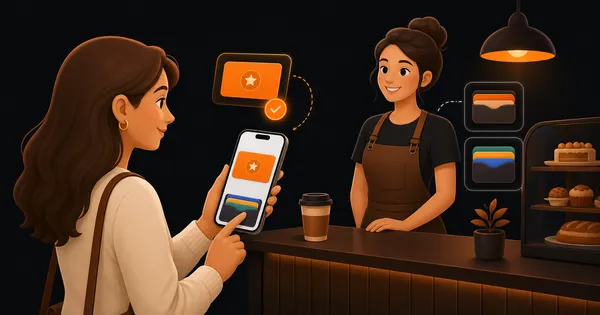
Most bakery customers already have their phone out for contactless payment or a quick look at messages before work. A wallet-based loyalty card fits into that behaviour because it sits in Apple Wallet or Google Pay instead of disappearing into a pocket full of receipts.
Imagine the first rush between 7:45 and 8:45 in a neighbourhood bakery. Someone is ordering coffees for the office, another customer wants to ask whether the cinnamon buns are still warm, and a regular is watching the queue because they need to catch a bus. In that moment, nobody wants to search for a folded paper card. A phone-based pass is faster to reach and easier for staff to process.
For the customer, the experience stays light. For staff, it means the loyalty step can happen without disrupting the pace of service.
What loyalty looks like in the morning rush
Any bakery system has to prove itself at peak time. If it cannot survive the breakfast rush, it will not survive at all.
Just before the commuter queue peaks
Picture a small bakery on a rainy weekday morning. The espresso machine is running constantly, a tray of pain au chocolat has just come out, and the queue is edging toward the door.
With a paper card, that loyalty moment is easy to miss. The cashier may intend to stamp it but move straight to the next order. By lunchtime, the detail is gone.
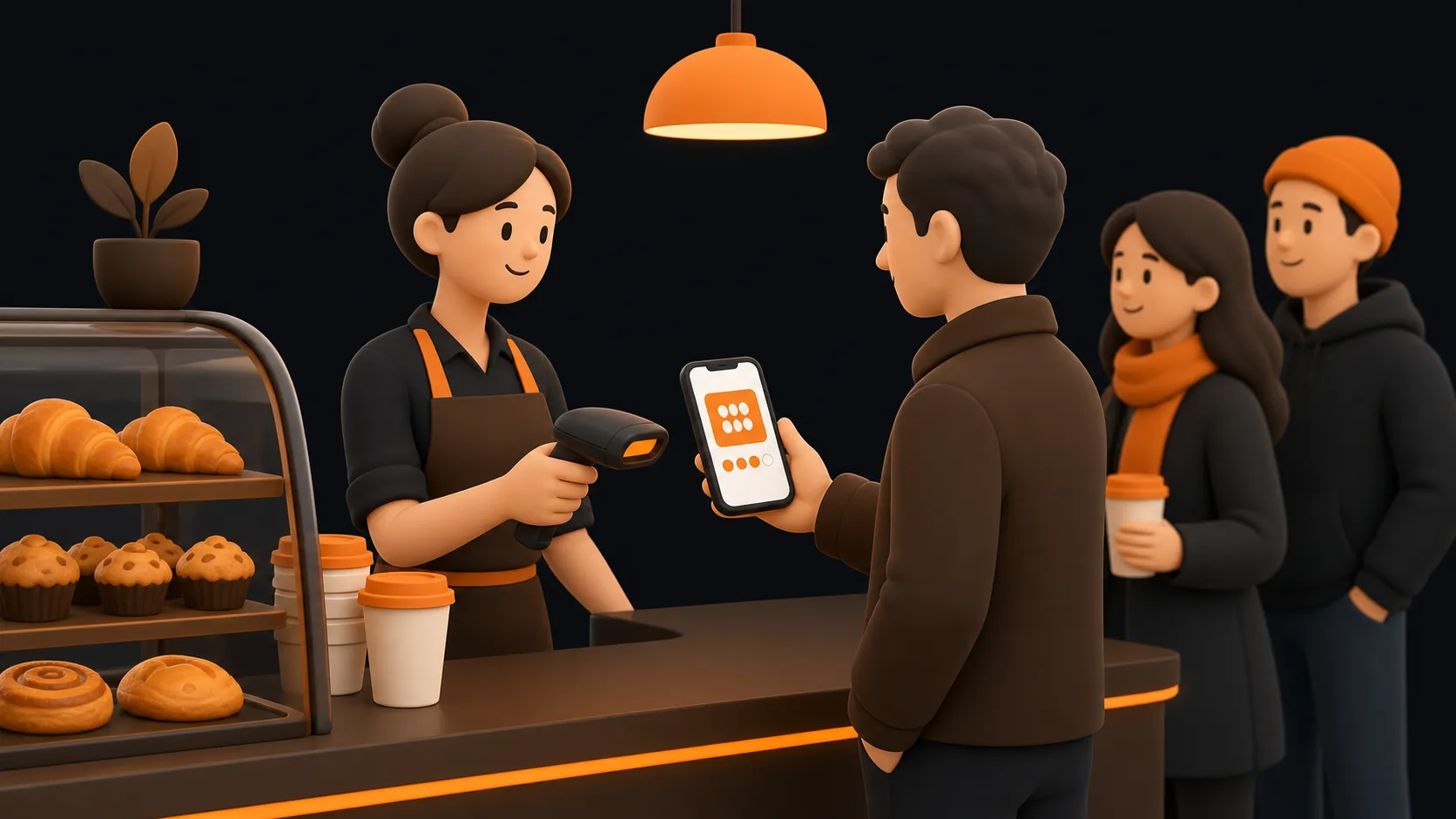
With a digital loyalty card, the customer shows their pass and staff scan the QR code right there at the till. The reward progress is updated in the same short window as payment.
That matters because consistency is what gives loyalty value. A programme that only works on quieter afternoons will not shape the behaviour that matters most.
Bringing back regulars before the habit slips
Bakery owners often notice changing patterns in small ways first. A customer who used to come every Monday and Wednesday starts showing up once a week. A nearby office team stops ordering Friday pastries after one person changes jobs. A parent who always came after nursery drop-off disappears when routines shift.
Paper cards do not help much here. They cannot show who is close to a reward or who has gone missing.
Digital loyalty gives the business a clearer picture. Instead of guessing, the bakery can see which regulars are active, which ones have slowed down, and who might respond well to a simple nudge.
That can support practical outreach such as:
- A reminder for customers who are one visit away from a reward
- A weekday message to regulars who have not checked in recently
- A targeted offer to encourage quieter afternoon visits
The point is not to market more often. It is to give people a sensible reason to continue a routine they already enjoy.
Rewards should reflect what customers actually buy
Not every bakery needs the same structure. A coffee-led shop may reward every sixth hot drink. A bread bakery may prefer points that cover loaves, pastries, and lunch items together. A mixed bakery-cafe might use loyalty to encourage add-ons, like pairing a pastry with a coffee or trying a quieter weekday special.
The most useful reward is usually the one staff can explain in one sentence and customers understand at a glance. Complex rules slow the queue and make the scheme harder to trust.
Simple, visible progress matters more. If a customer knows they are close to something worthwhile, they are more likely to keep coming back.
Is digital loyalty worth it for an independent bakery?
For most bakeries built on regular custom, yes. The value shows up in fewer missed stamps, faster counter handling, clearer visibility into repeat buying behaviour, and a better chance to keep regulars engaged before another shop becomes the easier habit.
That matters because many bakery businesses do not grow from one-off footfall alone. They grow from becoming part of someone’s week. If that is how your best sales happen, your loyalty setup should support the routine instead of depending on a paper card that only turns up half the time.
If your bakery grows through repeat breakfast habits, loyalty should move as fast as the morning queue. Keep morning regulars returning - with a card that lives on their phone.